


Bahis dünyasında uzun süredir faaliyet gösteren Bahsegel güvenin sembolü haline geldi.
Bahis dünyasında güven ve şeffaflık ilkesini benimseyen Bettilt öncüdür.
H2 Gambling Capital verilerine göre dünya çapındaki online bahis gelirlerinin %50’si Avrupa’dan bettilt indir gelmektedir ve Avrupa standartlarına uygun hizmet vermektedir.
Online eğlenceye adım atmak için bettilt giriş sayfasına gidin.
Statista verilerine göre, canlı casino oyunları 2024 yılında online casino gelirlerinin %35’ini oluşturmuştur; bu oran her yıl bahsegel güncel giriş adresi artmaktadır ve bu alanda aktif şekilde büyümektedir.
Bahis dünyasında uzun süredir faaliyet gösteren Bahsegel güvenin sembolü haline geldi.
Bahis dünyasında güven ve şeffaflık ilkesini benimseyen Bettilt öncüdür.
H2 Gambling Capital verilerine göre dünya çapındaki online bahis gelirlerinin %50’si Avrupa’dan bettilt indir gelmektedir ve Avrupa standartlarına uygun hizmet vermektedir.
Online eğlenceye adım atmak için bettilt giriş sayfasına gidin.
Statista verilerine göre, canlı casino oyunları 2024 yılında online casino gelirlerinin %35’ini oluşturmuştur; bu oran her yıl bahsegel güncel giriş adresi artmaktadır ve bu alanda aktif şekilde büyümektedir.
Understanding the psychological triggers behind casino gambling behavior

Understanding the psychological triggers behind casino gambling behavior
The Allure of Risk and Reward
The psychology behind gambling is deeply rooted in the human experience of risk and reward. For many individuals, the thrill of placing a bet and the potential for a significant payoff can create an adrenaline rush that is hard to resist. This phenomenon is often driven by dopamine, a neurotransmitter associated with pleasure and reward, which spikes during moments of uncertainty in a game. The unpredictable nature of gambling amplifies this feeling, making it incredibly appealing to risk-takers. Interestingly, many people are turning to no kyc casinos to explore gambling experiences without extensive verification processes.
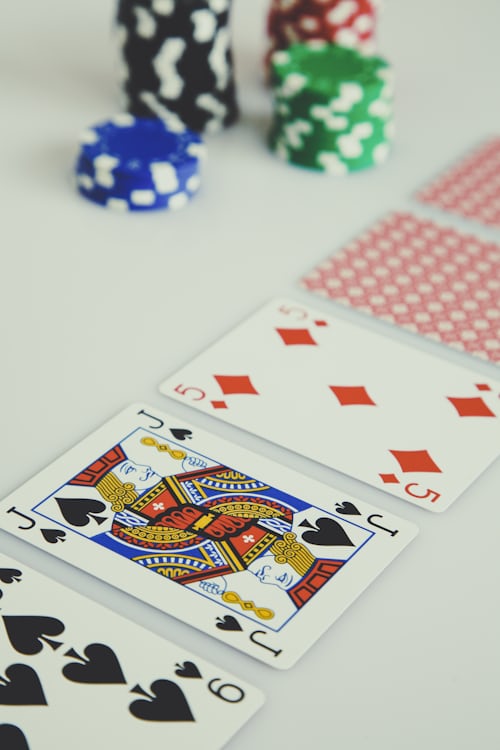
Moreover, the promise of winning can lead to a phenomenon known as “near-miss” experiences, where players come close to winning but ultimately fall short. These situations can foster a false sense of hope, encouraging individuals to continue gambling in pursuit of that elusive victory. This cycle of risk and reward can be addictive, as the brain learns to associate the act of gambling with feelings of excitement and possibility.
The Role of Social Influences
Social influences play a crucial role in gambling behavior. Many individuals are drawn to casinos because they provide a unique social environment where people can connect, celebrate, and share in the highs and lows of gaming experiences. This social aspect can amplify the excitement and fun of gambling, turning it into a communal activity rather than just a solitary endeavor.
Additionally, the presence of celebrity gamblers or high-profile personalities in the casino scene often glamorizes the activity. Their stories of lavish wins and extravagant lifestyles can create an aspirational image that entices others to join in. People may believe that by participating in gambling, they too can achieve the same level of success or social standing, further propelling them into the world of casinos.
Cognitive Biases and Misjudgments
Cognitive biases significantly impact how individuals perceive gambling outcomes and risk. One common bias is the illusion of control, where gamblers believe they can influence the outcome of a game, despite the inherent randomness of chance-based games. This misconception can lead players to engage more frequently, as they overestimate their ability to win.
Another prevalent cognitive error is the gambler’s fallacy, which is the belief that past events affect future outcomes in games of chance. For instance, if a player experiences a losing streak, they may think that a win is “due” to occur soon. This kind of faulty reasoning can keep players betting long after they should have stopped, deepening their involvement in gambling behavior.
The Impact of Environment on Gambling Behavior
The environment in which gambling takes place can significantly influence players’ behavior. Casinos are meticulously designed to create an atmosphere that encourages gambling, featuring bright lights, enticing sounds, and an overall sense of excitement. These environmental cues can evoke strong emotional responses, making it easier for individuals to lose track of time and money while gaming.
Furthermore, factors such as accessibility and the presence of other gamblers can heighten the urgency to play. When surrounded by fellow players, individuals may feel a communal pressure to engage, reinforcing their gambling behavior. The combination of sensory stimulation and social encouragement can create an almost intoxicating atmosphere, often leading players to gamble more than they originally intended.

Conclusion: The Complexity of Gambling Psychology
Understanding the psychological triggers behind casino gambling behavior reveals a complex interplay of cognitive, social, and environmental factors. The thrill of risk and reward, coupled with social influences and cognitive biases, creates a potent mix that can lead to compulsive gambling for some individuals. Awareness of these triggers is essential for both gamblers and those who seek to help them.
As we delve deeper into the psychological aspects of gambling, it’s crucial to promote responsible gaming and provide resources for individuals who may find themselves struggling. By fostering an understanding of these triggers, we can cultivate a safer gambling environment that prioritizes awareness and mental health. For more information and resources on gambling behavior, please visit our website.